Leave Your Message

Blog

What Are the Top External Filter Pump Types in 2026?

What Are the Top External Filter Pump Types in 2026?

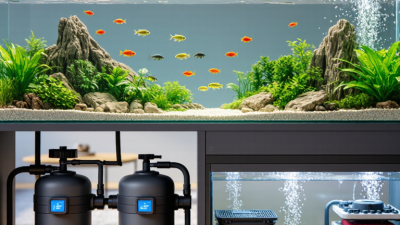
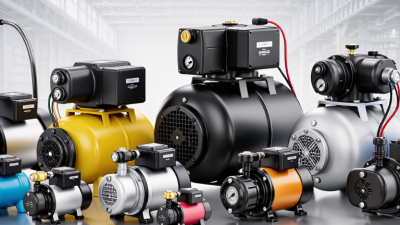
You know, an external filter pump kind of works behind the scenes to keep your aquarium stable. It pulls water through the filter media, sends it back into the tank, and helps keep all that visible gunk from piling up around your plants and décor. That said, the “best” one really depends on your specific setup. If you've got a planted freshwater tank, a compact canister filter usually does the trick. But for bigger setups, a sump gives you way more room for media. And honestly, don't overlook stuff like flow rate, head height, noise, how easy it is to maintain, and having a backup plan. Look, market data's useful for context, but it doesn't really settle which pump you should go with. Sure, Grand View Research's aquarium market report projects 8.2% annual growth from 2024 to 2030—but that's about the overall aquarium market, not about how individual external pumps sell. So don't treat it like some kind of pump popularity ranking. And another thing: the flow rate printed on the box? It can drop once water has to fight through hoses, bends, and filter media. Little things like that make a big difference. Look, I’m not going to invent a quote from some external filter pump expert—the source material just doesn’t have one that checks out, and making something up wouldn’t help anyone. So instead, this guide looks at the leading designs and compares what really matters: their practical strengths, trade-offs, and what they’re like to maintain over time. Don’t expect a single winner—expect clear differences. Sure, a quiet motor is nice, but after months of use, easy priming and accessible seals can end up mattering a whole lot more. Pick something that fits the tank you have now, but maybe leave a little room for the bigger setup you’re already planning next.
Read more »
Ava By:Ava - November 11, 2026
2026 Best Silent Aquarium Air Pump for Fish Tanks?

2026 Best Silent Aquarium Air Pump for Fish Tanks?

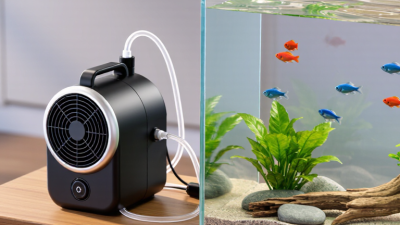
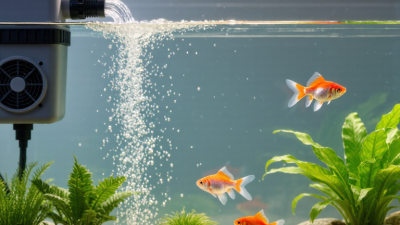
You'd think a fish tank would be all about calm, but the equipment can really mess with that vibe. That steady hum from the cabinet? It can sneak through a quiet room, especially at night. And if the water surface isn't moving much, gas exchange takes a hit, which is why an air pump is actually key for some setups. But here's the thing: don't just grab the pump with the loudest 'silent' claim – it's not that simple. You’d think a big industry report would have all the answers, right? The American Pet Products Association’s 2025 State of the Industry Report does show that tons of U.S. households have pets—fish included. And sure, that scale is a good reminder that aquarium gear isn’t something you should just grab on a whim. But no market report is going to tell you what a pump actually sounds like when it’s sitting next to your bed or underneath a glass tank. That kind of thing depends on real-world details: how much airflow you need, how deep the tank is, what tubing and air stones you’re using, and even how the pump is positioned on the surface. Alright, so you're looking for a silent air pump for your aquarium, right? This guide is all about the things that actually matter: how much air it pushes, how much it vibrates, whether the noise claims are just marketing fluff, how much power it gobbles up, and how easy it is to clean and maintain. And here's the thing – we're also going to separate what the manufacturers say from what you'll really experience, because honestly, their sound ratings aren't always measured the same way. You might pick up a Silent Air Pump that still hums a little. Quiet is relative, you know? You want a tank that won't rattle your nerves or your floor, so check for secure fittings, soft feet, and good airflow—honestly, raw power isn't everything. But here's the thing: even when you pick the right specs, there's always a catch. One thing people tend to forget? Where you put the tank can completely change what you actually hear. Go figure.
Read more »
Ethan By:Ethan - November 8, 2026
Top 10 Best Silent Air Pumps for Wholesale Buyers

Top 10 Best Silent Air Pumps for Wholesale Buyers

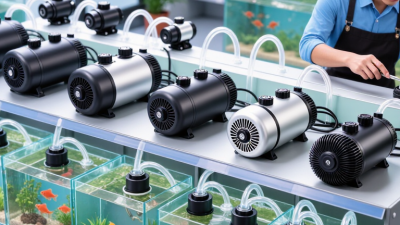
If you're a wholesale buyer on the hunt for a silent air pump, you probably know that the word "quiet" on the label isn't enough. What really matters is stable airflow, noise levels that actually stay consistent, a diaphragm that won't give out on you, and parts you can actually replace when needed. And the little things count more than you'd think—like a pump humming through a shop wall, which can totally ruin the vibe for customers, or uneven airflow that leaves aquarium owners scratching their heads. So yeah, quiet is nice, but it's just the tip of the iceberg. You know, reliability is kinda what keeps it useful. Without that, it just doesn’t do much for you, right? So, the Food and Agriculture Organization just put out their 2024 report on world fisheries and aquaculture, and it says that in 2022, global aquaculture produced like 94.4 million tonnes of aquatic animals. That’s a huge number, obviously. But that number is about the whole aquatic sector, not specifically about what aquarium pumps need. Still, it kind of shows why having reliable aeration equipment is so important across different aquatic applications. And it’s like Sylvia Earle said, “No water, no life. No blue, no green.” That really captures how crucial healthy aquatic environments are. I mean, don't get me wrong – what she says isn't a claim about pump performance. If you're seriously considering buying, you should definitely look at the product specs on your own. Alright, so this Top 10 guide is basically comparing silent air pumps with wholesalers in mind. We look at airflow, how noisy they actually are, power draw, build quality, maintenance, and how the supplier treats you. Quick heads-up about noise ratings: take them with a grain of salt. The number you see depends on where they measured it, the room, and their testing method. So ask for real spec sheets instead of trusting “ultra-quiet” on the box. And sure, that cheap upfront price can be tempting, but if replacement parts are hard to find or the warranty's weak, you might end up paying more down the line. Honestly, there’s no one-size-fits-all pump out there. Honestly, when you're picking the right one, it really boils down to a few things – how big your tank is, how you plan to install it, and what you care about most as a buyer.
Read more »
Ava By:Ava - November 4, 2026
China Best Fish Aquarium Filters for Wholesale Buyers

China Best Fish Aquarium Filters for Wholesale Buyers

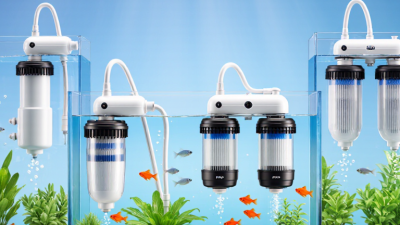
So, here's the thing – China has really become the go-to place for buying aquarium equipment in bulk. A ton of manufacturers are out there offering stuff like Fish Aquarium Filters – you know, for retailers, aquatic stores, or even project suppliers. Their product lineup can vary, but you'll often see sponge filters, internal ones, hang-on-back models, canister filters, and even pond filtration systems. Look, when you're buying filters wholesale, it's not just about the price tag. Sure, attractive pricing is great, but you've got to dig a little deeper. Think about flow rate, how many stages of filtration, noise levels, power consumption – and don't forget about replacement media availability. That's a big one. And here's a tricky bit: a filter that's rated for 200 liters might perform totally differently in a tank that's heavily stocked. Honestly, the water temp, fish size, plant density, even feeding habits – they all change the real-world performance. So yeah, small details can make or break your setup. Don't overlook them. You know, when you're dealing with reliable suppliers, they usually come through with all the important stuff—product specs, test reports, packaging options, and they actually communicate clearly before shipping. That's a good sign, right? But here's the thing: don't just take their word for it. You should definitely ask for samples and give them a good once-over. Check the motor's stability, how well it's sealed, the cable safety, and don't forget the installation instructions—those matter more than you'd think. And about documents, they have to line up with what the destination market requires. Oh, and never assume that one certificate covers every single model. I've seen that mistake before, and trust me, it can end up costing you a lot more than you'd expect. When you've got a seasoned sourcing team, they'll dig into the nitty-gritty – minimum order quantities, lead times, spare parts, warranty terms, even private-label support. Sure, factory videos can give you a glimpse, but honestly, they're no substitute for actually walking the floor. A glossy catalog? That doesn't tell you much either. What really matters is consistency – getting the same quality batch after batch, not just a one-off sample that looks perfect. Alright, so this guide is all about helping you figure out how to pick the right fish aquarium filters when you're buying wholesale from China. We're going to look at the nitty-gritty stuff like specifications that actually matter, whether the supplier is trustworthy, how they handle quality control, and what those filters will end up costing you in the long run, not just the sticker price. But hey, I'll be the first to admit – not every tip here is going to work for every market. Every aquarium setup is a bit different, and honestly, there's no such thing as a perfect filter. So if you're smart about it, you'll do some testing before you commit to a big order. That's really the safest way to go.
Read more »
Sophia By:Sophia - October 28, 2026
Top 10 Electric Air Pump Manufacturers for Global Buyers

Top 10 Electric Air Pump Manufacturers for Global Buyers

Honestly? Global buyers usually aren't chasing the cheapest Electric Air Pump. What they really want is something that just keeps working, day in and day out, even when conditions get tough. So this guide takes a look at ten well-known manufacturers—Thomas, Gast Manufacturing, Parker Hannifin, KNF, SMC Corporation, Tuthill, Becker, and Wayne are among them. When comparing them, we focus on things like airflow, how steady the pressure is, duty cycle, noise levels, energy consumption, and the kind of service support you get. On top of that, it also digs into product documentation, customization options, minimum order quantities, and what the international delivery experience is actually like. You know, it’s often the small stuff that really matters. A pump might sound whisper-quiet in a showroom, then overheat once it’s sitting beside a packaging line. Or a compact model could fit perfectly inside a medical device, but still fail when it has to run continuously. So when you’re buying, don’t just trust the brochure—check the rated pressure, free-air flow, motor protection, housing materials, and whether replacement parts are easy to come by. You know, Dr. W. Edwards Deming—the quality-engineering guru—once said, 'Quality doesn't come from inspection; it comes from improving the production process.' And honestly, that idea still holds up when you're looking at pump manufacturers. The reliable ones? They tend to have steady testing procedures, specs you can trace, engineers who actually respond, and warranty terms that are clear. Look, no ranking is ever perfect. Markets shift, and a factory that shines in one product family can be all over the place in another. That's a real limitation, and it's worth keeping in mind. Just because someone's great at making lab equipment doesn't mean they'll be a good fit for something like agricultural inflation tasks. And a quiet, low-noise design? Well, it might come at the cost of peak airflow. So buyers should really match each supplier to the job at hand—the application, the operating environment, and how long they expect it to last. So, these manufacturers? They're all pretty solid choices if you're sourcing globally. But they don't all shine in the same way. Some are all about precision. Others lean toward high volume, custom work, or gear that can take a beating. If you take the time to compare them carefully, you can avoid some seriously costly redesigns, shipments that drag on forever, and performance in the field that just leaves you disappointed.
Read more »
Ethan By:Ethan - October 25, 2026
7 Best Internal Aquarium Filters for Clear Water?

7 Best Internal Aquarium Filters for Clear Water?

Clear water is not produced by a powerful motor alone. It depends on mechanical capture, biological stability, water movement, and regular maintenance. That is why choosing the right Internal Aquarium Filter requires more than comparing flow-rate numbers. Grand View Research reports continued growth in the global aquarium market, driven by home aquariums, ornamental fish, and improved water-care equipment. Mordor Intelligence also identifies filtration technology as an important part of aquarium equipment development. However, market growth does not guarantee better water. Filter performance still changes with tank size, fish waste, plant density, and cleaning habits. Small tanks can become unstable quickly. Cory McElroy, founder of Aquarium Co-Op, expresses a practical principle: “The best filter is the one you will maintain.” This advice matters when evaluating an aquarium internal hang-on internal filter, especially for beginners who need simple access and gentle circulation. A filter that clogs after three days is not truly efficient. A quiet unit with replaceable media may offer better everyday results. This guide examines seven Internal Aquarium Filter options for clearer water. Each model is considered through flow control, media capacity, noise, energy use, installation, and cleaning access. Product specifications can look convincing. Real tanks are less predictable. Some filters may perform well in a lightly stocked aquarium but struggle with messy fish. Others may create excessive current or trap debris too quickly. These limitations deserve honest attention. The best choice is not necessarily the strongest filter. It is the model that matches the aquarium’s biological load and the keeper’s actual routine.
Read more »
Ethan By:Ethan - October 20, 2026
Why Are Fish Aquarium Filters Important?

Why Are Fish Aquarium Filters Important?

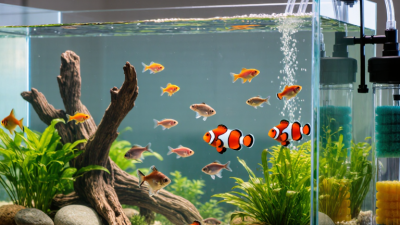
Fish Aquarium Filters aren’t just decorative accessories. Honestly, they’re more like the tank’s quiet life-support system. And here’s the tricky part: clear water can still have harmful ammonia or nitrite in it. A tank might look healthy while the fish are under constant chemical stress. Yeah, that’s the uncomfortable bit. The American Pet Products Association’s 2023–2024 National Pet Owners Survey estimates that about 10.5 million U.S. households keep freshwater fish. It also reports around 2.5 million saltwater fish households. Those numbers aren’t just a sign of a growing hobby; they show a pretty big care responsibility. Every aquarium produces waste through uneaten food, fish respiration, and decomposing plant material. Without reliable filtration, those pollutants can build up fast. A good filter usually does mechanical, biological, and sometimes chemical filtration. Mechanical media catches visible particles. Biological media gives beneficial bacteria a place to live, and those bacteria convert toxic ammonia into less harmful compounds. The Merck Veterinary Manual calls ammonia and nitrite serious water-quality concerns for aquatic animals. The RSPCA also recommends regular testing and suitable filtration for captive fish. Their guidance makes a practical point: filtration has to match tank size, stocking level, and your maintenance habits. No filter is perfect. That assumption deserves some doubt. Oversized equipment can create too much flow, while weak equipment may leave waste trapped in the substrate. I’ve seen clear water mislead inexperienced keepers more than once. Water testing is still essential. Filter maintenance matters too. This article explains why Fish Aquarium Filters protect water quality, support fish welfare, and reduce avoidable maintenance problems. It also looks at their limits, because responsible aquarium care takes more than buying the most expensive model.
Read more »
Ethan By:Ethan - October 12, 2026
How to Find Reliable OEM Aquarium Equipment Suppliers?

How to Find Reliable OEM Aquarium Equipment Suppliers?

Finding reliable suppliers for OEM Aquarium Equipment isn’t just about lining up prices from a catalog. You want a partner who can actually show factory experience, technical know-how, real quality controls, and steady communication. So ask the boring but important questions: Where is each product made? How are pumps tested? What materials end up touching aquarium water? Clear answers matter—vague ones usually don’t. Then look for practical proof. Ask for samples, inspection records, packaging photos, and recent quality certificates. Test a filter for noise, flow stability, seal performance, and power consumption. With lighting, check brightness consistency and how well heat is managed. For tanks or accessories, look at edges, fittings, and protective packaging. Little details often tell you a lot about bigger process problems. Don’t just trust pretty claims. A supplier might call itself a manufacturer while outsourcing critical parts. An independent factory audit, video inspection, or third-party testing can help clear that up. Get minimum order quantities, customization limits, lead times, spare parts, and warranty procedures confirmed in writing. Good Aquarium Equipment suppliers tend to explain problems before they get expensive. No supplier is perfect, honestly. Samples can pass, then later batches vary. I’ve seen that mistake repeated. A careful buyer should start with a small trial order, track measurable results, and review corrective actions. Strong suppliers won’t dodge reasonable questions—they give traceable answers. This guide walks through how to compare OEM Aquarium Equipment suppliers using practical checks, balanced judgment, and evidence that supports long-term cooperation.
Read more »
Ethan By:Ethan - October 8, 2026
China Top Fish Aquarium Equipment Manufacturers?

China Top Fish Aquarium Equipment Manufacturers?

Looking for top Chinese fish aquarium equipment manufacturers? This guide is here to help you understand how these suppliers compete in the global market — which, let’s be honest, can be pretty tough. We’re talking about everything from equipment for home aquariums and public displays to breeding setups and large-scale commercial tanks. We’ll cover the full range — stuff like filters, LED lights, air pumps, heaters, sterilizers, dosing systems, and complete filtration setups. Because, you know, the little details matter big time. For example, a quiet pump shouldn’t be so noisy it keeps you awake next to your bedroom tank. A heater needs to keep the temperature steady, without those annoying fluctuations. And filters should give clear flow info, with easy-to-replace parts readily available. Some of the key players you’ll hear about include Shenzhen Boyu Technology, Guangdong Sunsun Group, and other well-known Chinese brands. But keep in mind — just because a name sounds familiar doesn’t mean their products are automatically the best. It’s smart to ask for test reports, warranty details, factory photos, and even some samples if you can. Also, double-check that their electrical standards match the market where you plan to use the equipment. And remember: the certificates should be for the specific model you’re buying, not just stuff on their brochure. No review or ranking is perfect, and factory capabilities can change over time. Plus, some claims you find online are pretty hard to verify, so take those with a grain of salt. A good comparison pulls out solid, verified info rather than just marketing talk. It’s also helpful to look at real user experiences — things like noise levels, energy consumption, how well packages arrive, and how responsive the supplier is after the sale. Independent inspections and small trial orders are great ways to reduce surprises. Ultimately, the most reliable manufacturers are those who combine solid engineering with consistent production and honest communication. This guide aims to help you spot those qualities without overhyping anyone. Remember, trust in a manufacturer comes from their track record of steady performance, not just flashy slogans.
Read more »
Ava By:Ava - October 3, 2026
How to Choose the Best Fish Tank Filter Pump?

How to Choose the Best Fish Tank Filter Pump?

Picking the right fish tank filter pump isn't just about going for the most powerful motor out there. Instead, it’s really about matching the flow rate, filtration capacity, the size of your tank, what kind of fish and plants you have, and how often you’re up for maintenance. For example, a pump that’s super strong and creates some serious turbulence might actually stress out your slow-moving fish, toss around plants, and kick up gravel all over the place. Industry reports give us some good reasons to be careful with this decision. According to Grand View Research’s Aquarium Market Size, Share & Trends Analysis, filtration and water-quality gear are key parts of the booming ornamental fish world. Mordor Intelligence also points out that aquarium equipment is heavily influenced by hobbyists’ demands, energy efficiency, and how reliable the products are. But remember, these reports talk about overall market trends — they don’t guarantee that every piece of equipment will work perfectly for your specific setup. That’s a really important distinction. Cory McElroy, who founded Aquarium Co-Op, keeps it straightforward: ‘The best filter is the one you can actually maintain.’ It sounds simple, but honestly, it’s easy to overlook. Sometimes, a small sponge filter can do just as well as a fancy canister filter — especially if you’re good about cleaning it regularly. If you’ve got a 40-gallon tank with messy goldfish, you’ll need more biological filtration than you might in a lightly stocked planted tank. Keep an eye on the water flow near the gravel or substrate — you want gentle movement, clear surface water, and relaxed fish. Some folks even dream up a ‘fish tank inside a fish tank’ setup, where hidden compartments make flow and cleaning trickier. Sure, it can look cool, but it also creates dead spots and potential trouble spots for failures. I’ve tried pumps that seemed way too big before, only to end up with noisy water turbulence and wasting extra power. So, don’t just look at the wattage or size label; you need to weigh performance, safety, how quietly it runs, and whether you’ll actually remember to do the maintenance chores. The goal is finding a balance — something that works well without causing more headaches than it’s worth.
Read more »
Sophia By:Sophia - September 29, 2026
2026 Top Aquarium Filtration Systems Which Is Best?

2026 Top Aquarium Filtration Systems Which Is Best?

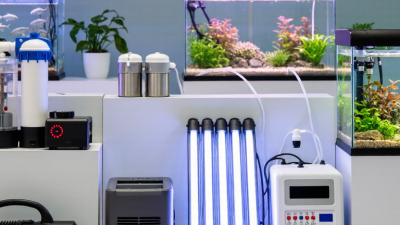
Picking the right aquarium filtration system really has a big impact on water clarity, fish health, and how much time you'll spend maintaining your tank. Come 2026, you'll see a variety of options out there—hang-on-back filters, canister setups, sponge filters, and built-in systems. Each has its pros and cons, though. Just because a filter has a powerful pump doesn’t automatically mean it’s better. Sometimes, a flow that’s too strong can stir up tiny fish or plants and cause more problems than it solves. Cory McElroy, the founder of Aquarium Co-Op, sums it up pretty well: “The best filter is one you can maintain consistently.” I think that’s a really useful way to look at things. When choosing, we should consider things like biological capacity, mechanical filtration, how much flow control we have, noise levels, power consumption, setup ease, and how often it needs cleaning. Little details matter—like, a filter that traps dirt but is a pain to open might just sit dirty for ages. Or maybe you want something quieter for a bedroom tank, or a more heavily stocked tank that needs more media capacity. Sometimes, it’s not about going for the most expensive thing, but what works best for your setup. If you search for “Aquarium Filtration System Top Filter Box,” you’ll find all kinds of designs and maintenance requirements. That’s why this guide compares different options based on your tank size, what kind of fish or plants you have, and what’s manageable for you—not just focusing on flow rates you see in ads. We’ll point out where manufacturer specs are helpful and where real-world setup might change how well it performs. But keep in mind, even the most careful comparisons have their limits—things like how much you stock, how often you feed, and water flow all play a part. Think of these recommendations as a starting point, and then keep an eye on your own tank to see what works best. After all, clear water isn’t the only measure of success—I mean, it’s a big part, but happy fish and a tank that fits your routine matter too.
Read more »
Ethan By:Ethan - September 25, 2026
Top Aquarium Instrument Suppliers for Global Buyers?

Top Aquarium Instrument Suppliers for Global Buyers?

Picking the right Aquarium Instrument supplier is a pretty big deal. It can mean the difference between getting reliable data or facing costly guesswork. You’ll see folks around the world comparing water quality meters, dissolved oxygen probes, salinity sensors, temperature controllers, and automated monitoring systems. But honestly, the best suppliers do more than just dish out shiny specs—they also offer calibration help, spare parts, technical advice, and customer support that actually responds, no matter what part of the globe you're in. Dr. Bruce Carlson, a well-respected aquarium scientist and former director of Waikiki Aquarium, once called aquariums “windows into the underwater world.” That really hits home here. Because, uh, a sensor isn’t just some device sitting on a glass wall. It plays a crucial role in animal wellbeing, filters, maintenance routines, and even how confident your staff feels every day. Of course, accuracy should always be the top priority. Big names like Hach, YSI, Hanna Instruments, Thermo Fisher Scientific, and Seneye each serve different needs. Some are geared toward lab-grade analysis, while others offer compact solutions perfect for public aquariums, research labs, or even high-end home setups. When choosing, it's smart to look at measurement ranges, how tough the probes are, compatibility with your software, warranty details, and whether local support is available. Better to do your homework before you make that final call. Honestly, the comparison isn’t always straightforward. Sometimes, a low price tag might hide ongoing calibration costs you weren’t expecting. Or, a fancy platform might be overkill for a small team to handle. And I’ve seen specs that look impressive on paper but turn out to be a pain in the field—those are the ones to watch out for. This guide takes a practical approach to reviewing top Aquarium Instrument suppliers, looking at things like product reliability, technical know-how, global availability, customer service, and real-world performance. It’s important to remember: one size definitely doesn’t fit all. Different water chemistries, types of animals, staffing levels, and budgets all influence what’s right for you. Paying attention to those differences helps ensure smarter investments and better, more responsible care for your aquatic life.
Read more »
Ethan By:Ethan - September 20, 2026
Top Aquarium Fish Air Pump Manufacturers for Global Buyers

Top Aquarium Fish Air Pump Manufacturers for Global Buyers

Picking out an aquarium fish air pump isn’t just about comparing prices. It’s really about how well it delivers oxygen, keeps your fish happy, and runs quietly over the long haul. For folks buying from different parts of the world, you want a pump that performs reliably across all sorts of tanks—whether they’re small or big, shallow or deep, or even in different climates and electrical setups. Just going for the cheapest option might seem tempting, but beware — a cheap pump with inconsistent airflow can stress out your fish and mess with the biological filtering system. Dr. J. Charles Delbeek, a pro in aquarium equipment, offers a pretty straightforward rule: “The system must serve the animals, not the other way around.” That’s actually a good guiding principle when we look at top brands like EHEIM, Tetra, Hailea, Resun, and Aquael. They all have different specs—like how much air they push, pressure levels, diaphragm styles, vibration control, and how easy it is to find spare parts. Also, noise is a big deal. You definitely don’t want a loud rattle next to your sleeping area—you want something that hums softly instead. In this guide, we’ll go over what buyers can actually check out, like tested airflow rates, rated water depths, whether they’re built for continuous use, warranty support, plug compatibility, and how easy it is to get help after buying. We’ll also look into real-world stuff—like how it performs with a long airline, powering multiple sponge filters, or bouncing back after a power outage. If you search for Air Pump Air Pump, you’ll find plenty of suppliers, but just repeating keywords doesn’t prove their products are good. What matters most is solid evidence of quality. No review or ranking is perfect, though. Some brands still need independent testing, and warranty conditions can vary by region. Before you buy, double-check certificates, voltage, packaging, and how easy it is to get spare parts. A good aquarium fish air pump should run quietly, safely, and stay steady over time—that sounds simple, right? But trust me, it’s not always that easy to find a really reliable one.
Read more »
Sophia By:Sophia - September 16, 2026
China Top 10 Aquarium Internal Filter Suppliers

China Top 10 Aquarium Internal Filter Suppliers

Choosing the right internal filter for your aquarium really makes a difference—it's not just about water clarity, but also about keeping your fish healthy and keeping maintenance manageable. These days, China has become a go-to source for aquarium gear, serving everyone from hobbyists with home setups to retail stores, breeders, and even public displays. In this guide, I want to introduce you to ten Chinese suppliers that are known for their internal filters. We’ll focus on practical stuff—things like how stable the motor is, whether you can easily adjust the flow, sponge density, noise levels, and how easy it is to clean. For example, a tiny filter might work perfectly for a small shrimp tank, but if you’re setting up a planted community tank, you might want something with a bit more power. Some suppliers also offer multi-functional filters that include features like aeration, biological media, and adjustable outlets—details really matter. One thing I’ve learned from experience is that the flow rates listed in product specs aren’t always the whole story. Factors like water depth, media resistance, and decorations can slow down water circulation quite a bit. So. it’s a good idea to ask for samples if you can, check out testing records, and understand the warranty terms before you commit to a big order. Also, double-check the voltage, plug standards, spare parts availability, and how well the packaging will protect your gear. Remember, not every supplier is suitable for every project—that’s just part of the deal. You might come across the term “aquarium internal hang-on internal filter” in product searches, but honestly, that phrasing isn’t always spot-on. Clear, detailed specs are way more helpful than fancy labels. Good suppliers should clearly explain what materials they use, how their pumps perform, what safety tests they’ve done, and what tank sizes they’re recommended for—without making wild promises. Keep in mind, this overview is meant as a practical starting point, not a full guarantee. The quality can vary from batch to batch, so it’s always a smart move to double-check what the supplier claims. That small step can save you from a costly mistake down the line.
Read more »
Sophia By:Sophia - September 13, 2026