
 +86-18148806429


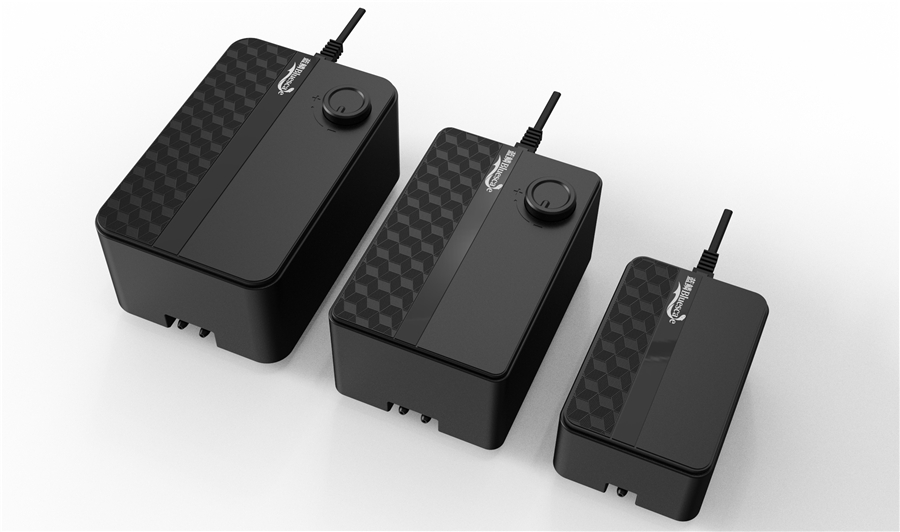
Why Air Pumps Are Essential for Fishkeeping
2026-01-23
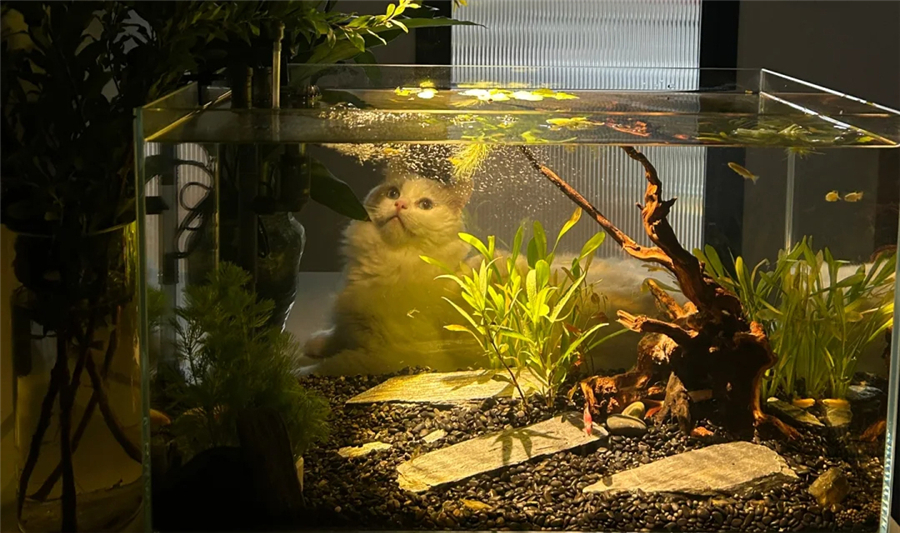
Ask five long-time aquarists this question, and you’ll likely get varied answers—but the truth is, air pumps are a non-negotiable tool for successful fishkeeping. Some enthusiasts rave about the gentle hum of a small diaphragm pump and the curtain of bubbles it sends up the tank’s back corner; others rely on high-tech planted setups but still keep an air pump handy. The confusion often stems from a common misunderstanding: fish don’t breathe bubbles directly, but they depend on dissolved oxygen pulled from the water—and air pumps are one of the most reliable ways to ensure that oxygen stays at safe levels. While filters and plants play a role in oxygenation, an air pump provides critical backup and consistency that no tank should go without.
What an Air Pump Actually Does (and Why It Matters)
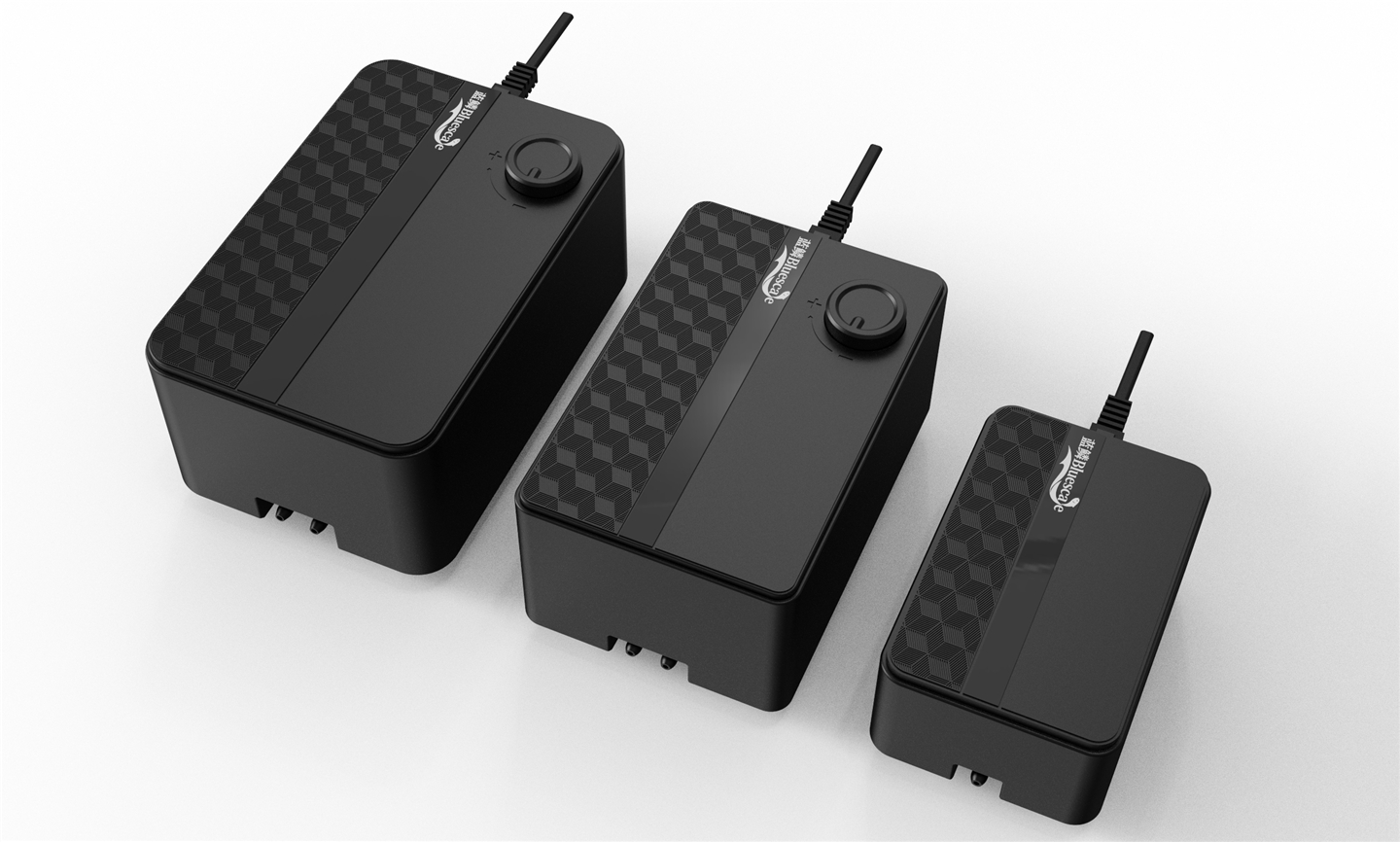
Contrary to popular belief, the pump itself doesn’t “add” oxygen directly. Instead, it pushes air through an air stone or wand, creating thousands of tiny bubbles. As these bubbles rise, they drag water upward, generating mild but steady circulation. When the bubbles burst at the surface, they disrupt the water’s top layer—this is where vital gas exchange happens: carbon dioxide (a waste product for fish) exits, and oxygen enters. The more surface disturbance the air pump creates, the faster and more efficient this exchange becomes. For fish, this means a constant supply of oxygen to support their metabolism, reduce stress, and prevent health issues—making the air pump far more than a decorative accessory.
When an Air Pump Is Non-Negotiable (Not Just “Helpful”)
Even if you think your tank is “self-sufficient,” there are countless scenarios where an air pump becomes a lifesaver—proving its necessity for responsible fishkeeping:
1.Warm water and crowded tanks
Warm water holds significantly less oxygen than cool water, and tanks stocked with active fish (like tetras, guppies, or goldfish) consume oxygen rapidly. A quiet filter alone often can’t keep up with demand, leading to oxygen depletion. A sponge filter powered by an air pump not only boosts circulation but also adds biological filtration capacity, making it a dual-purpose essential for stocked tanks.
2.Medication or chemical treatments
Most ich remedies, antibacterial medications, and even some water conditioners reduce water’s ability to hold oxygen. During treatment, fish are already stressed—depriving them of oxygen can be fatal. An extra air stone during this period is cheap, easy insurance to keep oxygen levels stable.
3.Power outages and emergencies
Filters stop working when the power goes out, and without water movement, oxygen levels plummet within hours. An air pump connected to a USB power bank or battery backup will keep water circulating and bubbles flowing, buying time until power is restored. This simple setup can mean the difference between saving your entire tank and starting over.
4.Deep-bodied fish and specialized setups
Fancy goldfish, discus, large catfish, and other deep-bodied or slow-swimming fish struggle to access oxygen at the surface. An air stone placed mid-tank creates gentle flow that delivers oxygen to all levels, preventing “dead zones” where oxygen is scarce. Even in planted tanks, air pumps complement plants—while healthy plants release oxygen during the day, they consume it at night, creating a drop in oxygen levels that an air pump offsets.
5.Everyday maintenance and stress reduction
Overfeeding, heat waves, or sudden water parameter changes can cause unexpected oxygen dips. Fish stressed by poor water quality or low oxygen become more susceptible to disease. An air pump provides consistent oxygenation that buffers against these daily fluctuations, keeping fish healthy and resilient.
Signs Your Tank Is Begging for an Air Pump (Don’t Ignore These)
If you notice any of these red flags, it’s already time to invest in an air pump—delays can put your fish at risk:
• Fish gasping frantically at the water’s surface, especially first thing in the morning (when oxygen levels are naturally lowest)
• A thin, oily film forming on the water’s surface (this blocks gas exchange, even if your filter is running)
• If the pump’s hum is noticeable, set it on a folded towel or hang it with a bungee cord to absorb vibration—silent operation doesn’t mean sacrificing performance.
Bottom Line: Air Pumps Are a Must for Fishkeeping
Fish tanks don’t just “benefit” from air pumps—they require them for long-term fish health and survival. While filters and plants contribute to oxygenation, they’re not foolproof: filters can fail, plants stop producing oxygen at night, and emergencies strike when you least expect them. An air pump provides consistent, reliable oxygenation and circulation that no responsible aquarist should skip. For just ten dollars, you’ll get peace of mind knowing your fish have the oxygen they need to thrive—even when conditions change. When it comes to fishkeeping, an air pump isn’t an optional luxury—it’s a foundational tool for keeping your aquatic pets happy and healthy.